The 2026-27 ALN sessions focus on competency-based assessment systems that center student agency, deeper learning, and high-quality evidence. But what does this look like in real classrooms, schools, and systems?
In this final in-person session, participants will learn from districts and educators actively engaged in creating competency-based assessment systems. Through implementation stories, we will explore what it looks like to build competency-based systems over time—what’s working, where challenges persist, and how teams are navigating the journey.
Participants will reflect on their own context, identify areas of strength and growth, and consider next steps for continued implementation.
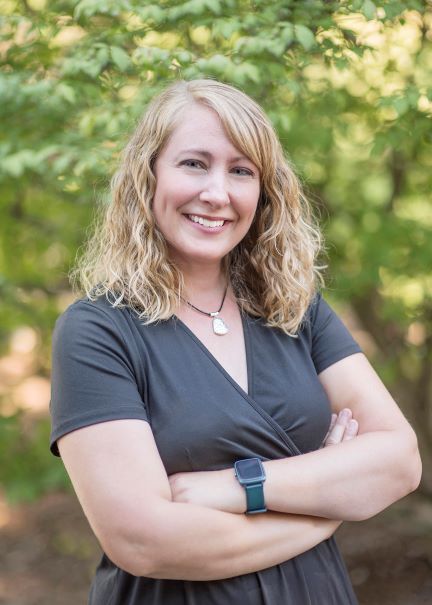
Presenter: Emily McEvoy
Emily McEvoy joined the MAC Board in 2022 and serves on the Assessment Resource Development Committee. She has participated in many learning opportunities offered by MAC, including the MAC’s Assessment Learning Network and the Michigan Assessment Learning Facilitators Association. In her role at Anchor Bay School District, Emily supports the implementation of competency-based education and a balanced assessment system. She is deeply committed to fostering classroom cultures that prioritize formative assessment and empower educators to use data to drive student learning and growth. Emily also served as a co-chair of the GELN SAT task and on the board of the Michigan Educational Research Association (MERA). She is a frequent presenter at the Michigan School Testing Conference, where she also serves on the executive board and planning committee.

Presenter: David Wartowski
David Wartowski began teaching as a second career in 2000 in South Central Los Angeles, where he quickly came to see education as a calling focused on social justice. His career soon led to Evanston and Skokie, IL, where he worked for over two decades across grades K-12 to disrupt systems that contributed to a persistent racial opportunity gap.
David's work consistently focused on empowering educators and creating new, more inclusive systems—including revamping math learning and implementing a revised science curriculum to elevate student discourse. He built strong teacher teams, implementing impactful programs and meaningful assessments that fueled a standards-aligned school system.
While his journey brought joy, it also revealed administrative burdens and inequitable practices driving teacher burnout and the racial opportunity gap. David’s work has successfully addressed elements of these persistent barriers. His current focus is on empowering students through clarity of expectations and effective grading practices through Learning Portrait, a replacement for the traditional gradebook that teachers, students and families have lauded as a massive advancement in grading.
Holding degrees from the University of Michigan, the University of Notre Dame, and Concordia University, David has published and presented on topics including leading school change, detracking, and effective instruction.
David's greatest professional passion is creating student-centered classrooms fueled by student agency, rooted in his core values of curiosity and connection. Learning Portrait embodies this passion, with a mission to revolutionize the teacher-student dynamic and transform grading into meaningful learning conversations.
David is raising three children in Evanston with his wife, Alecia.

Presenter: Stephen Oertle
Stephen Oertle is a recently retired Assistant Superintendent for Curriculum and Instruction at Roxana Community Unit School District #1 in Southern Illinois and the founder and director of CourseMason LLC. He is an independent consultant specializing in curriculum and assessment development, instructional best practices, and practical school improvement strategies.
As a national presenter and professional development leader, Steve works with educators and administrators from pre-kindergarten through grade 12. His work focuses on developing guaranteed and viable curricula; designing standards-aligned formative and summative assessments and rubrics that support student-led classrooms; developing and modeling research-based best practices that foster strong, collaborative, feedback-focused learning environments; and developing and modeling learner qualities that help create districts, schools, and classrooms focused on teaching students to think critically and learn independently. He also develops building- and classroom-level strategies rooted in the work of John Hattie and Visible Learning.
Steve has taught at Southern Illinois University and has worked with school districts, Regional Offices of Education, Illinois ASCD, and ASCD. He provides professional learning through webinars, digital and video-based professional development, conference sessions, workshops, and customized, ongoing district professional development.
Steve holds bachelor's and master's degrees in Special Education from Southern Illinois University and has worked with educators, administrators, and students from pre-kindergarten through the university level.