At the 2025 Building a Better Assessment Future conference, we are placing students at the center of our assessment systems, practices, and policies. Join us in Blazing a Trail to Student Success! Inspiring and innovative trailblazers will explore actions and practices rooted in research and real-life experience to implement and support equitable student-centered assessment systems for all learners.
Keynotes
Each keynote will set the framework for the three topic strands foundational to BBAF 2025. Dr. Matt Townsley will open with the leadership strand with his keynote, “Five Leadership Actions for Advancing Student-Centered Assessment and Grading Practices” that focuses on implementing meaningful assessment and grading reforms through five leadership actions to advance student-centered grading practices.
Then, Dr. Brandi Hinnant-Crawford will frame the systems strand with her keynote, “Blazing Ahead: One [PDSA] Cycle at a Time” that explores improvement science and how it can sustain innovation related to student-centered assessment practice and systems.
Dr. Lee Ann Jung will set the classroom strand with her keynote, “Assessing Students, not Standards: Keeping Students at the Center” which will examine the balance between measuring content standards and cultivating transferable skills, specifically the pivotal role of metacognition—how students reflect on and regulate their thinking. She envisions assessment as more than a tool to prepare students as experts in content—but as a tool to nurture them as experts in learning.
This educator-designed conference aims to inspire and empower educational leaders to engage in and adopt assessment literate practices. Participants will explore ways to lead innovative changes by advancing student-centered assessment and grading approaches, while also leveraging improvement science to sustain our efforts as we blaze a trail to work in service of all students.
Through the framework of three Conference strands, we will explore:
- Leadership: practices and policies educational leaders engage in to create and implement innovative student-centered assessment systems
- Systems: how to sustain innovative student-centered assessment systems through improvement science
- Classroom: the implications for assessment practice and systems as we shift to learner-centered approaches
Additionally, we will explore:
- The possibilities of our assessment future when all levels of the system are working together, and all stakeholders are assessment literate
- Stories and examples shared by practitioners that highlight how they are transforming their own practice or engaging colleagues in complex systems change
Overview
Over the two days, three blocks of concurrent breakout sessions will feature expert practitioners who will highlight practice, structures, and policies necessary to achieve and sustain student-centered assessment systems by providing examples, tools, and processes to blaze a trail for student success.
In addition to the breakout sessions and keynote presentations, we will have reflection opportunities, field notes from Michigan practitioners, the opportunity to hear student perspectives—and of course, we plan to have a fun time while we are all together among peers and leaders in education! There will be a curated music playlist throughout the conference, catered lunches, a photo station, and a Mix & Mingle at the end of the first day for drinks and visiting with new and old friends!
On the second day, early risers can join us for a hot breakfast and coffee at 7:30 a.m. while engaging in dialogue around forward-thinking topics related to assessment.
You won’t want to miss this unique and innovative conference — register today to reserve your spot!
9.5 SCECH credits available
Who should attend?
Teachers, educators, assessment policymakers, and district teams.
Attend as an individual or as a team!
We are here to connect, get inspired, learn from one another, and gain applications for next steps. All are welcome — individuals and teams. We encourage schools/districts to register and work in teams of 3 or more, as it can help strengthen professional relationships and collaboration, while enhancing the capacity for systems change with a shared vision and goals. The MAC supports participants post-conference through recorded conference archives and opportunities to join 2025–26 networks and events.
The conference is cohosted by The Michigan Assessment Consortium (MAC), in partnership with Michigan Department of Education (MDE) and MDE’s Formative Assessment for Michigan Educator’s (FAME) Program.
Watch a brief preview of what you can expect at BBAF!
KEYNOTE Matt Townsley
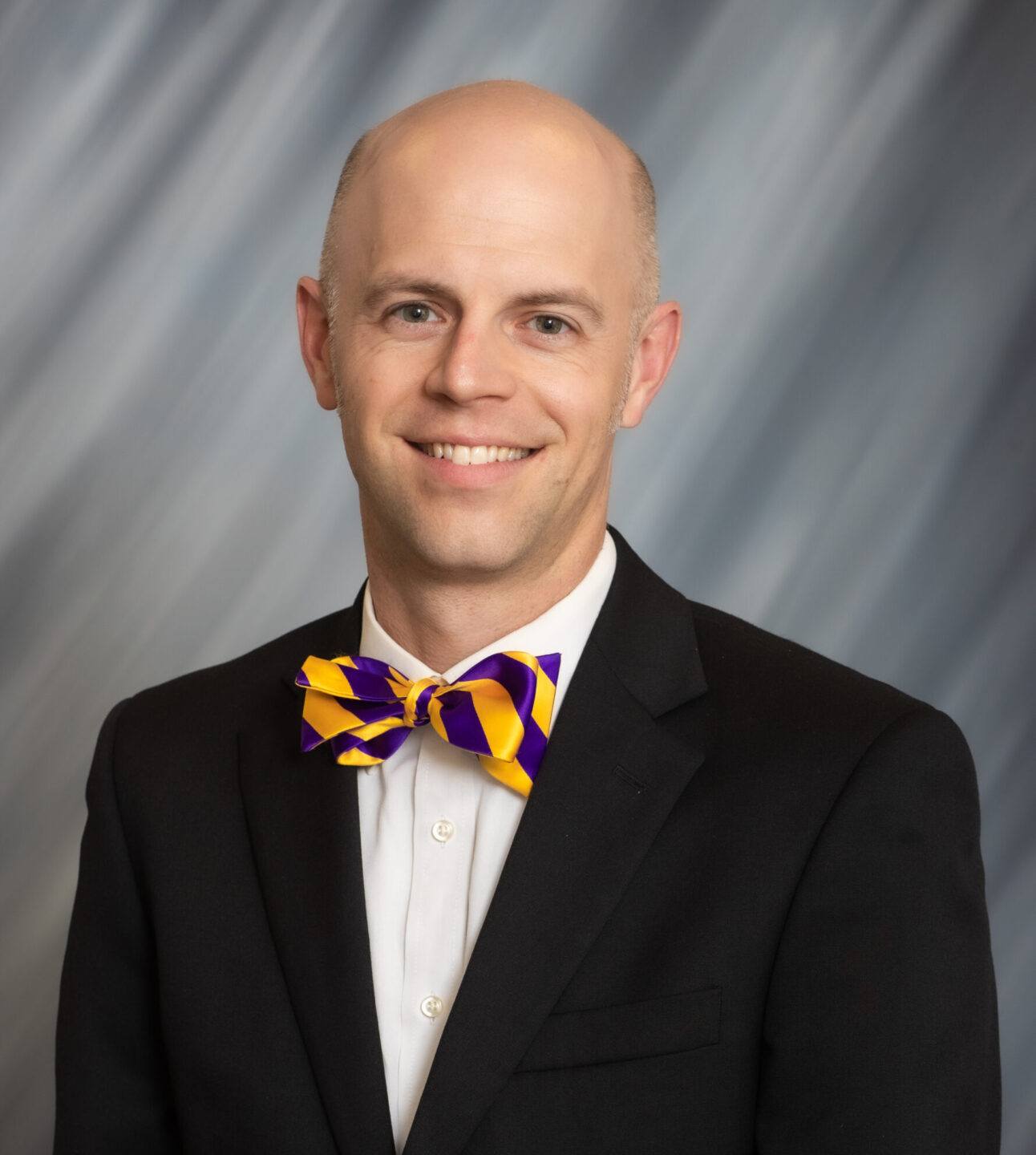
Matt Townsley has authored over 30 articles and books focused on grading including Making Grades Matter: Standards-Based Grading in a Secondary PLC at Work, Using Grading to Support Student Learning, and A Parents’ Guide to Grading and Reporting: Being Clear about What Matters. As a former district administrator and teacher in the Solon Community School District (Solon, IA), he has firsthand experience implementing and leading lasting grading reform. Through conferences, professional development and workshops, Dr. Townsley has consulted with teachers, administrators, and parents across the globe on the topics of assessment and grading.
In recognition of his K-12 leadership, Matt was named Iowa’s Central Office Administrator of the year, and he was recognized as an ASCD Emerging Leader. He has been featured or quoted in the following media outlets: The Christian Science Monitor, CNN.com, The Washington Post, USA Today, California and Kansas public radio, the Center for Digital Education, Education Week, Khan Academy Ed Talks, as well as presented at national conferences such as the Learning Forward Annual Conference, National Conference on Education (AASA), and the Association for Middle Level Education (AMLE) Annual Conference. Matt’s energetic approach to engaging audiences has earned him the moniker “The Sportscaster of Alternative Grading.”
Dr. Townsley is an associate professor of educational leadership at the University of Northern Iowa (Cedar Falls, IA).
KEYNOTE Brandi Hinnant-Crawford
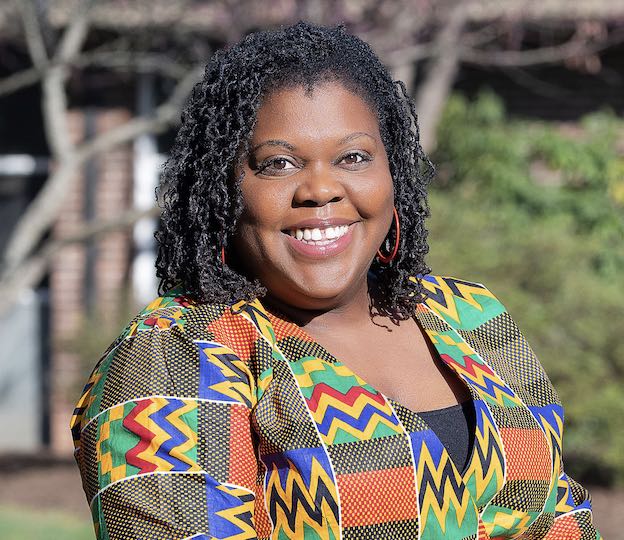
Brandi Hinnant-Crawford, PhD, currently an Associate Professor of Educational Leadership at Clemson University, is a self-described motherscholar, critical pragmatist, and liberation theologian. Crawford’s scholarship focuses on equity and inclusion for marginalized students across the P-20 pipeline as well as how research, particularly improvement science, can be leveraged as methodological tools to catalyze justice. Brandi’s research uses quantitative and qualitative traditions to illuminate the experiences and opportunities of minoritized students. Her quantitative scholarship is informed by QuantCrit where she is careful to use a critical lens and not add to discourses that reify deficit narratives about marginalized populations.
In her 2020 book: Improvement Science in Education A Primer, she reconceptualizes improvement as a pursuit of justice. She asks scholars and scholar practitioners to consider equity not only as an outcome of improvement but to ensure equity in the process by continuously asking who is involved (who is defining the agenda, who is given decision making authority) and who is impacted (who benefits and who bears the burden of the work). From teaching in the rural south, to working in central office in the urban northeast, to conducting research across the county, she remains committed to providing equitable opportunities to learn for all children. Brandi seeks to do the work her God and her soul require, her ancestors approve, and her children deserve.

KEYNOTE Lee Ann Jung
Lee Ann Jung is founder of Lead Inclusion, Professor of Practice at San Diego State University, and a consultant to schools worldwide. A former special education teacher and administrator, Lee Ann now spends her time in schools, working shoulder-to-shoulder with teams in their efforts to improve systems and practice. She has consulted with schools in more than 30 countries and throughout the United States in the areas of universal design for learning, inclusion, intervention, and mastery assessment and grading. Lee Ann is the author of 9 books, numerous journal articles and book chapters on inclusion, universal design, and assessment. She serves on the advisory board for Mastery Transcript Consortium, as section editor of the Routledge Encyclopedia of Education, and on the editorial board member for several professional journals. In her community, Lee Ann is a board member for Life Adventure Center, a local nonprofit with a mission of healing for those who have experienced trauma.